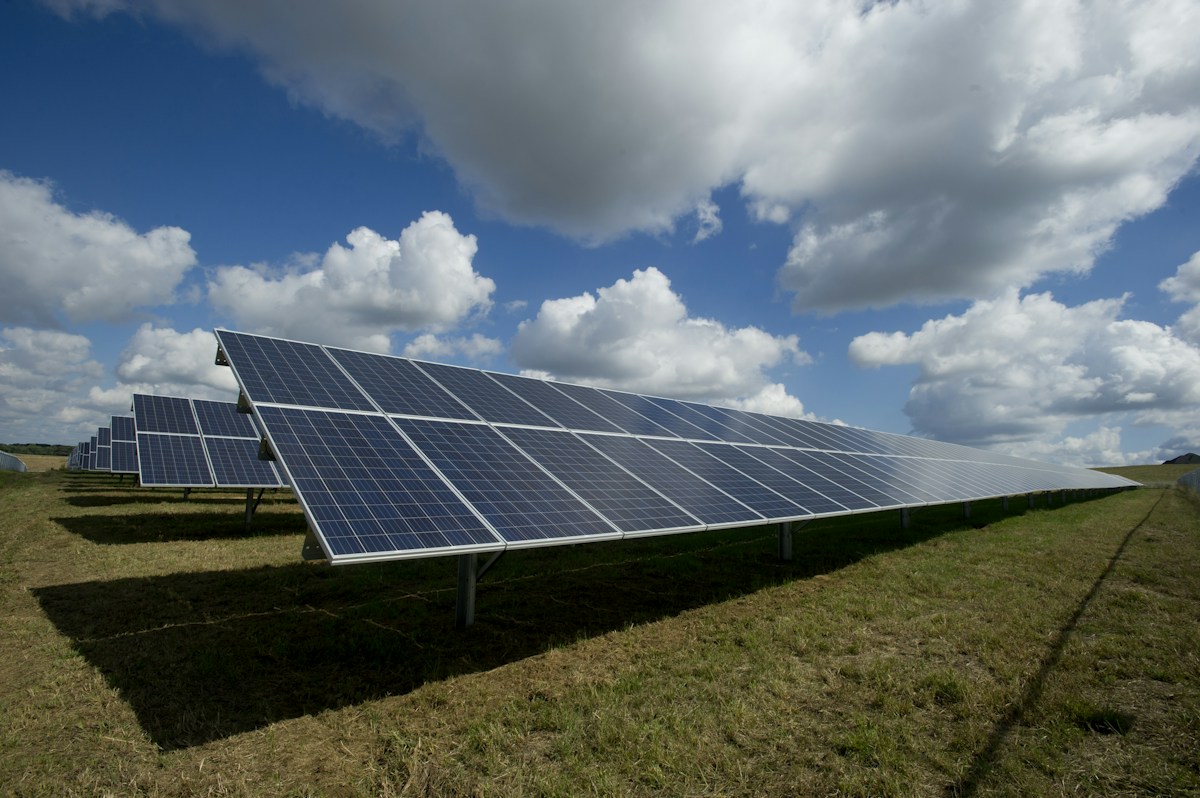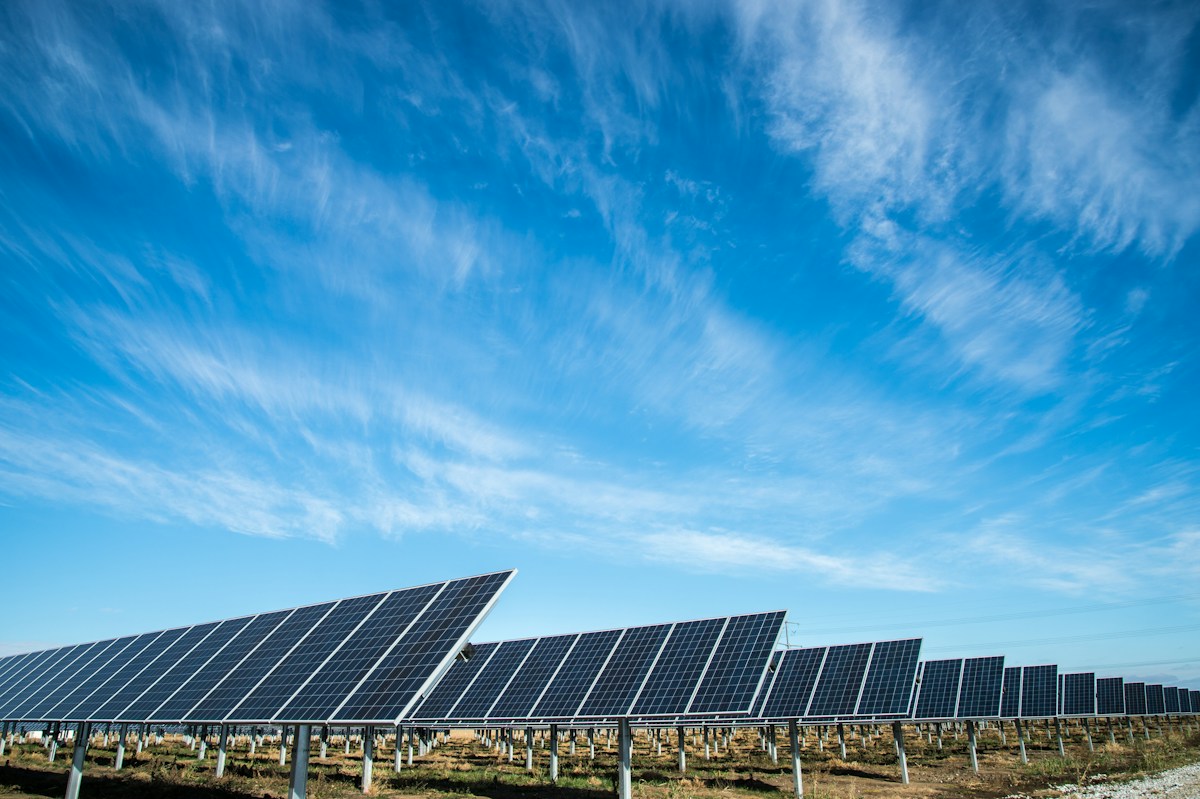
A solar power plant is a 25-year asset. How well it performs over that lifetime depends almost entirely on the quality of its Operations & Maintenance (O&M) programme. Inspection is the foundation of every O&M plan — without systematic inspection, faults accumulate undetected until they cause expensive equipment failures, generation losses, or warranty voids. This guide covers everything you need to know about solar farm inspection in India.
Types of Solar Farm Inspection
- Drone Thermal Inspection (IR Thermography) — detect hotspots, string failures, soiling
- EL (Electroluminescence) Testing — detect micro-cracks and inactive cells
- IV Curve Testing — measure string and module electrical performance vs nameplate
- Visual Inspection — structural checks of mounting, cables, inverters, transformers
- String Monitoring Analysis — SCADA data review for performance anomalies
- Cleaning Efficiency Testing — measure soiling losses and cleaning effectiveness
- Earth Continuity Testing — verify earthing system integrity
Recommended Inspection Schedule by Lender Standards
| Inspection Type | Frequency | Standard |
|---|---|---|
| Drone Thermal (IR) | Annual (post-monsoon preferred) | IEC 62446-3:2022 |
| EL Testing | Every 2–3 years or post-event | IEC 60904 |
| IV Curve Testing | Annual or bi-annual | IEC 61829 |
| Visual Inspection | Quarterly | IEC 62446-1 |
| String Performance Review | Monthly via SCADA | Internal |
| Earth Continuity | Annual | IEC 60364 |
| Post-Storm Assessment | Within 2 weeks of event | As needed |
The Annual Drone Inspection: What It Covers
The most important scheduled inspection for any solar plant is the annual drone thermal survey under IEC 62446-3:2022. It provides a systematic, GPS-referenced health snapshot of every module in the plant — identifying all active faults by severity and location. For plants connected to the grid in India, this is typically performed between October and February when irradiance is stable and conditions are ideal.
What Happens If You Skip Annual Inspection?
- Undetected hotspots grow from Moderate to Critical severity — replacement cost 5–10x repair cost
- String failures accumulate — a 10 MW plant can lose 5–8% generation undetected
- Insurance policies may lapse or claims may be rejected due to lack of inspection records
- O&M warranty providers can void warranty if inspection frequency requirements are not met
- Lender covenant breaches for debt-financed projects with inspection obligations
Building a Complete O&M Inspection Programme
The most effective O&M inspection programme for Indian solar plants combines monthly SCADA performance analysis, quarterly visual inspection, annual drone thermal survey (IEC 62446-3), bi-annual IV curve testing, and EL testing every 3 years or after any significant weather event. This layered approach ensures continuous monitoring at the data level, periodic physical inspection, and deep technical audits on a regular cycle.
Varuna Aerotech Annual O&M Inspection Package
- Full drone thermal survey (100% module coverage, IEC 62446-3:2022 compliant)
- GPS-referenced fault map with severity classification
- Corrective action priority list for maintenance team
- Year-on-year trend comparison (for AMC clients)
- Executive summary for lender reporting
- 48-hour PDF report delivery
- Optional IV curve testing add-on
- Optional EL testing add-on
Frequently Asked Questions
What is the best time of year for drone solar inspection in India?
October to February is ideal across most of India — stable clear skies, consistent irradiance, and low dust events. Avoid monsoon season (June–September) for thermal inspection as cloud cover prevents adequate irradiance.
Can Varuna Aerotech provide O&M inspection for plants across multiple states?
Yes. We manage multi-state inspection programmes for developers and O&M companies with plants across Gujarat, Rajasthan, Maharashtra, Karnataka, and other states — coordinating all inspections under a single report package.
Do you provide trend analysis for repeat AMC clients?
Yes. AMC clients receive year-on-year comparison reports showing how fault counts, severity distribution, and generation loss have changed versus the previous inspection — enabling data-driven maintenance planning.