Two of the most powerful diagnostic tools for solar plants are Electroluminescence (EL) testing and Infrared (IR) thermal imaging. Both detect faults — but they reveal completely different problems. Choosing the wrong method means missing critical defects that cost you generation revenue every day.
What is Thermal Imaging (IR Thermography)?
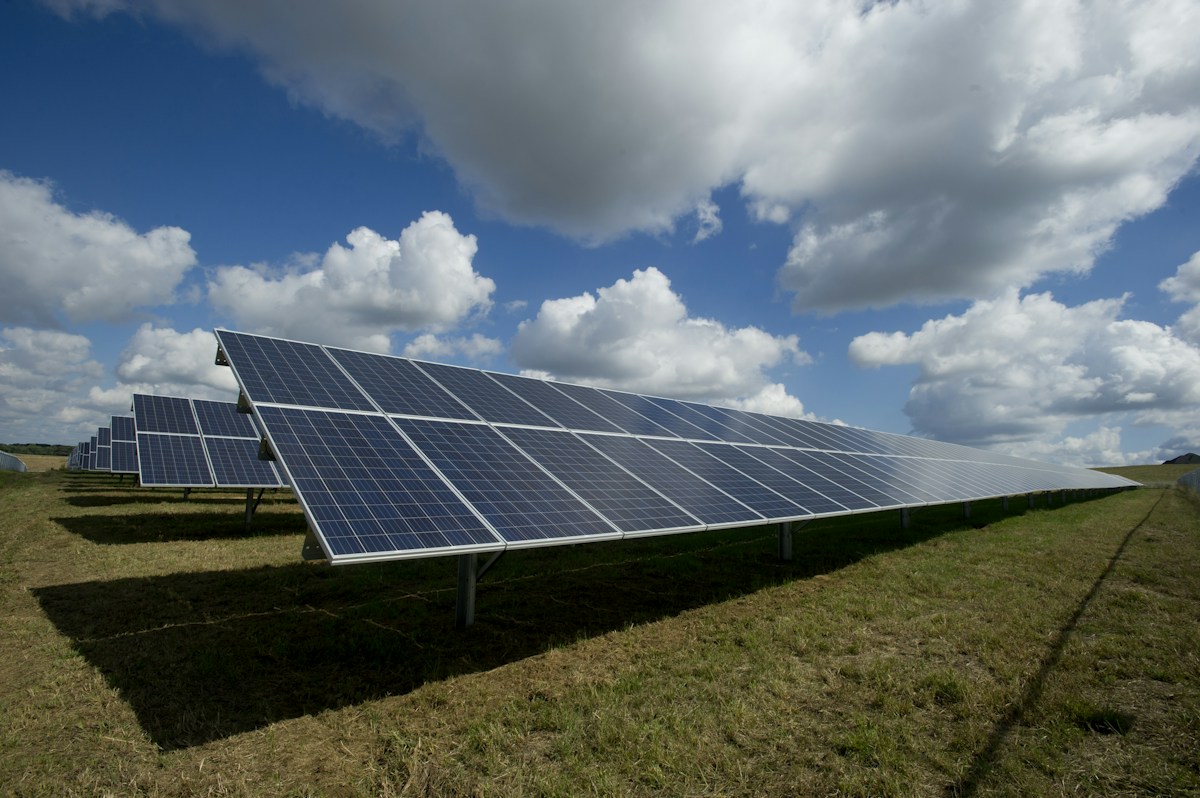
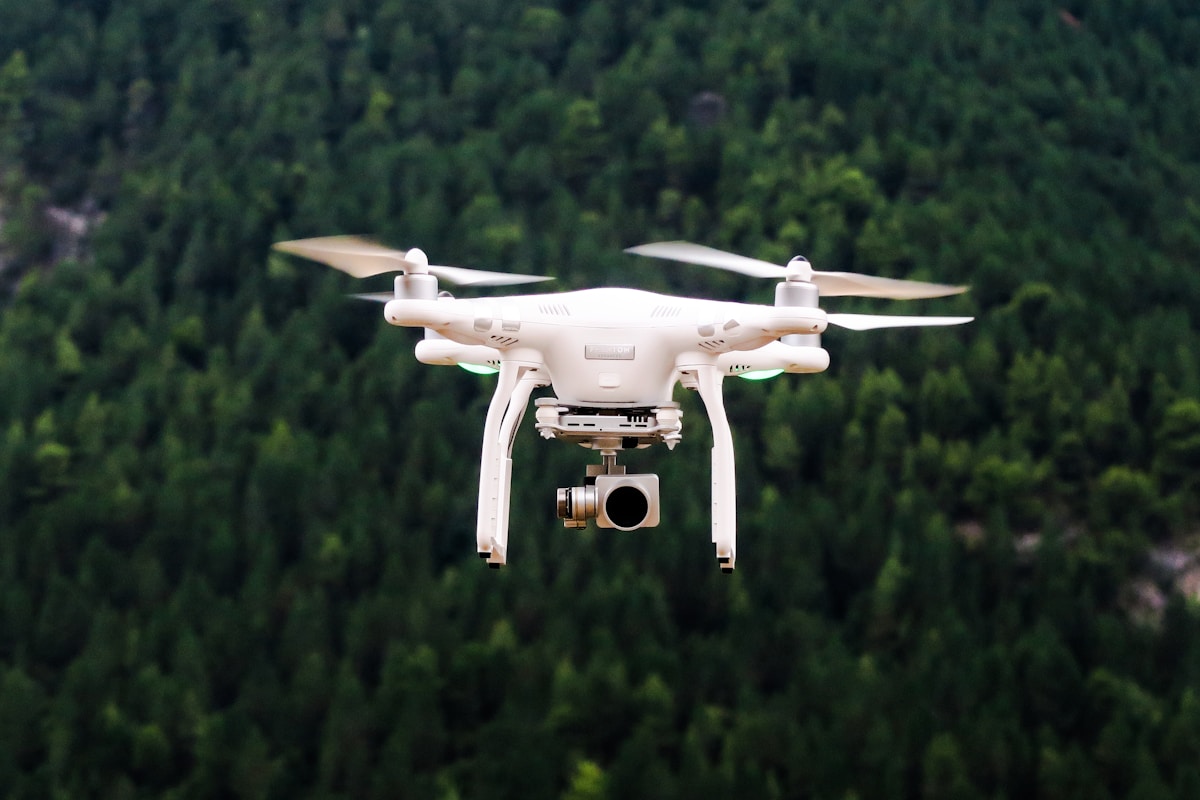
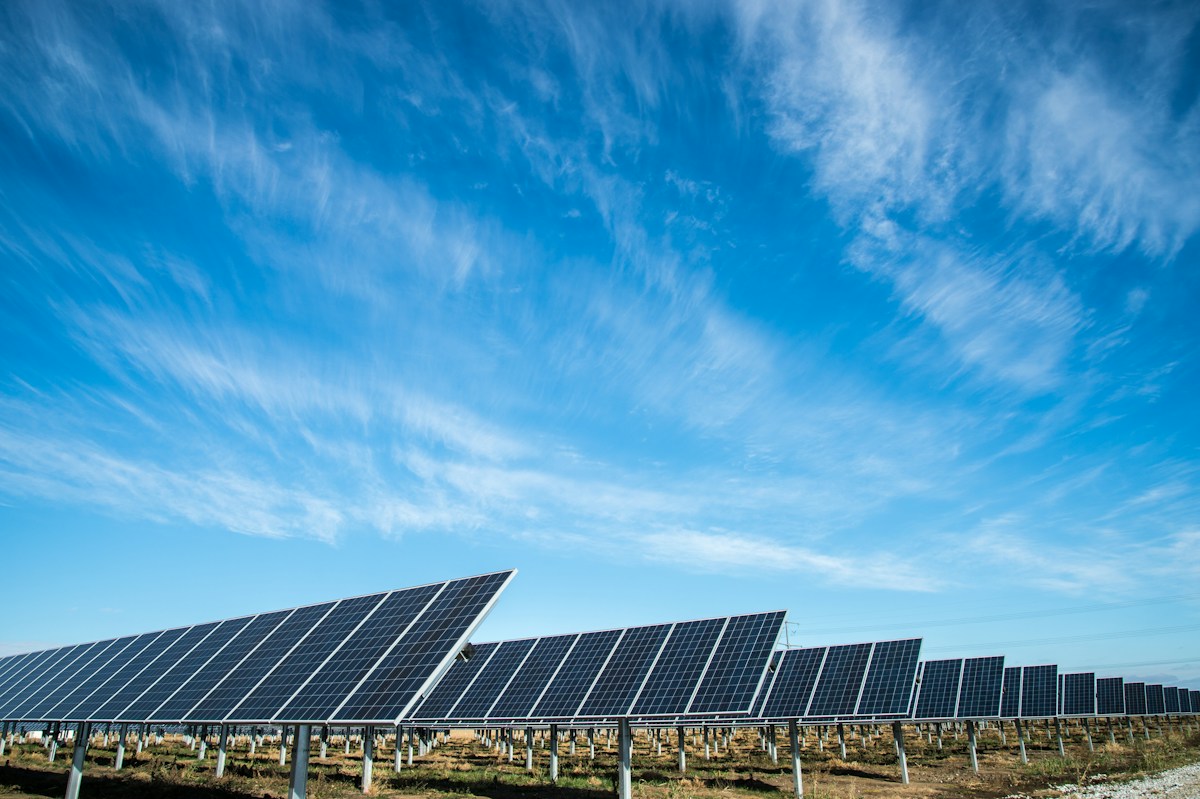
Thermal imaging uses an infrared camera to detect temperature differences across solar panels. When a cell, string, or diode fails, it generates excess heat — which shows up as a hot spot in the thermal image. Drone-mounted thermal cameras can cover hundreds of acres in a single flight, making it the fastest method for large-scale inspections.
- Detects: Hotspots, bypass diode failures, string disconnections, PID (Potential Induced Degradation)
- Best for: Large utility-scale plants, quick annual O&M audits
- Works under: Sunlight with irradiance above 600 W/m²
- Speed: 1 MW per 30–45 minutes of flight
- Standard: IEC 62446-3:2022
What is EL (Electroluminescence) Testing?
EL testing works by passing an electrical current through solar panels in darkness or low-light conditions, causing them to emit a faint glow. A specialised camera captures this glow and reveals internal cell cracks, finger interruptions, and inactive cell areas that are completely invisible to thermal cameras — because cracked cells often do not generate enough heat to be detected thermally.
- Detects: Micro-cracks, finger interruptions, inactive cell areas, snail trails, delamination
- Best for: Commissioning tests, post-hail/storm assessment, warranty claims
- Works under: Low light or darkness (nighttime or indoor)
- Speed: Slower — module-by-module or string-by-string
- Standard: IEC 60904, IEC 62446
Side-by-Side Comparison
| Feature | Thermal Imaging | EL Testing |
|---|---|---|
| Speed | ✅ Fast — MW per hour | ⚠️ Slower |
| Micro-cracks | ❌ Cannot detect | ✅ Detects clearly |
| Hotspots | ✅ Detects clearly | ⚠️ Partial |
| Works at night | ❌ Needs sunlight | ✅ Works at night |
| Cost | ✅ Lower | ⚠️ Higher |
| IEC compliance | ✅ IEC 62446-3 | ✅ IEC 60904 |
| Best use case | Annual O&M audit | Commissioning / warranty |
When Should You Use Both Together?
The most comprehensive solar plant health assessment combines both methods. Thermal imaging finds electrical and performance faults quickly across the entire plant. EL testing then provides module-level detail for any suspicious areas identified thermally, plus a baseline assessment of physical module integrity. Combined reports are particularly valuable for M&A due diligence, lender technical audits, and post-disaster assessments.
Our Recommendation by Use Case
- Annual O&M audit → Thermal imaging (fast, cost-effective)
- Post-hail or storm damage → EL testing (detects invisible micro-cracks)
- Pre-commissioning acceptance → Both (full baseline)
- Warranty claim on modules → EL testing (required by most manufacturers)
- Pre-refinancing due diligence → Both (comprehensive report)
Frequently Asked Questions
Can EL testing be done by drone?
Yes — Varuna Aerotech uses drone-mounted EL cameras for nighttime module-level imaging, combining the speed of drone inspection with EL's ability to detect micro-cracks.
Do module manufacturers accept EL test reports for warranty claims?
Yes. Major manufacturers including Jinko, Longi, Trina, and Waaree accept EL test reports following IEC 60904 methodology for warranty replacement claims.
How much more does combined EL + thermal testing cost?
Combined testing typically costs 1.5–2x the price of thermal-only inspection. Contact Varuna Aerotech for a custom quote based on your plant size and location.